Australia, officially the Commonwealth of Australia, is a sovereign country comprising the mainland of the Australian continent, Tasmania, and numerous smaller islands. As the world’s sixth-largest country and smallest continent, it is known for its diverse landscapes—ranging from arid outback deserts to tropical rainforests—and unique wildlife. Located in the Southern Hemisphere, it is a highly developed, multicultural nation with a population concentrated along the coast.
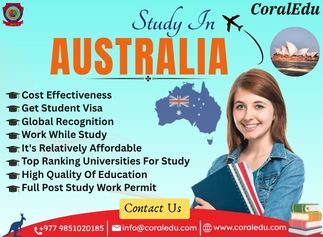
Australia is an premier, welcoming, and safe destination for international students, consistently ranked as one of the top choices globally due to its world-class education system and multicultural society. With numerous globally ranked universities, a high standard of living, and a friendly, inclusive culture, it offers an ideal environment for studying abroad.
Key Facts:
1. World-Class Education System: Australia is home to several top-100 universities globally, including the University of Melbourne, University of Sydney, and ANU.
2. Globally Recognized Qualifications: Degrees from Australian institutions are respected worldwide, enhancing employability across the globe.
3. Post-Study Work Opportunities: International students can work during their studies and apply for temporary graduate visas to gain work experience after graduating.
4. Multicultural Society: Australia is a diverse, inclusive country that welcomes international students from all over the world.
5. High Quality of Life: Australian cities offer safe environments, excellent healthcare, and modern, reliable public infrastructure.
6. Innovative Research and Teaching: Universities focus on practical, real-world learning and cutting-edge research across various fields.
7. Financial Aid and Scholarships: Numerous scholarships and grants are available from the government and universities to help reduce tuition costs.
8. Support for International Students: Strong support services are provided, including legal rights protection, dedicated student support units, and counseling.
9. Breathtaking Natural Beauty: Students can explore unique landscapes, from beaches to rainforests, offering an unparalleled study-life balance.
10. Safe and Welcoming Environment: Australia is known for having a low crime rate and a friendly, relaxed, and safe culture.
1. Early Childhood Education (Preschool): Ages 3–5, often referred to as kindergarten or preparatory.
2. Primary School: Compulsory from Years 1-6 (or 7 in some states).
3. Secondary School: Compulsory from Years 7-10, with Senior Secondary for Years 11-12.
4. Tertiary Education: Comprises Vocational Education and Training (VET/TAFE) and Universities.
5. Qualifications Framework (AQF): A national 10-level system covering certificates, diplomas, and degrees (Bachelor, Master, PhD).
1. University of Melbourne (Unimelb): Consistently ranked #1 in Australia for academic reputation and research.
2. University of Sydney (USyd): Top-ranked for graduate employability.
3. University of New South Wales (UNSW Sydney): Known for strong engineering and technology programs.
4. Australian National University (ANU): Leading research-intensive university in Canberra.
5. Monash University: A top choice for international students with high research impact.
6. University of Queensland (UQ): Strong reputation in research and a leading member of the Group of Eight.
7. University of Western Australia (UWA): Renowned for research and high-quality education in Perth.
8. University of Adelaide: A prestigious member of the Group of Eight with strong industry links.
9. University of Technology Sydney (UTS): Renowned for its innovative, technology-focused, and industry-aligned courses.
10. RMIT University: Known for its strong industry partnerships, particularly in design and technology.
So.No. | Key Fact |
|
1. | Top Courses |
|
2. | Duration |
|
3. | Eligibility & Requirements |
|
4 | Minimum Qualifications |
|
5. | Approximate Fees (per year) |
|
6. | Intake |
|
7. | Top University |
|
Here are top 20 courses, categorized by field, based on popularity and job demand:
Information Technology & Computer Science
1. Master of IT (Cybersecurity, AI, Cloud Computing)
2. Bachelor of Computer Science
3. Data Science and Analytics
4. Master of Information Systems
5. Engineering & Technology
6. Civil Engineering
7. Mechanical Engineering
Electrical and Electronics Engineering
8. Biomedical Engineering
9. Software Engineering
Health & Nursing
10. Nursing (Bachelor or Master)
11. Public Health
12. Physiotherapy & Occupational Therapy
13. Psychology
Business & Management
14. Master of Business Administration (MBA)
15. Accounting & Finance (CPA/CA pathways)
16. Business Analytics
17. Hospitality & Tourism Management
Education, Science & Law
18. Master of Teaching (Early Childhood/Secondary)
19. Environmental Science & Sustainability
20. Law (LLM/LLB)
So.No | universities | |
1 | The University of Melbourne (Highest-ranked, top employer reputation) | |
2 | The University of Sydney (Top research-intensive institution) | |
3 | Australian National University (ANU) (Leading in research, located in Canberra) | |
4 | University of New South Wales (UNSW Sydney) (Strong in engineering and technology) | |
5 | Monash University (Top-ranked for engineering and science) | |
6 | The University of Queensland (UQ) (High research output, Brisbane) | |
7 | The University of Western Australia (UWA) (Top-ranked in Perth) | |
8 | The University of Adelaide (Leading, oldest research university) | |
9 | University of Technology Sydney (UTS) (Known for industry-focused courses) | |
10 | RMIT University (Leader in technology and design) |
Australian Rank | School/University Name | |
1 | University of Melbourne (Melbourne Business School – MBS) | |
2 | University of New South Wales (AGSM @ UNSW Business School) | |
3 | University of Queensland (UQ Business School | |
4 | University of Sydney (Business School) | |
5 | Monash University (Monash Business School) | |
6 | Macquarie University (Macquarie Business School) | |
7 | University of Western Australia (UWA Business School) | |
8 | RMIT University | |
9 | University of Technology Sydney (UTS) | |
10 | Australian National University (ANU) |
1. Healthcare & Nursing (Registered Nurses & Aged Care): The highest demand sector due to an aging population, with severe shortages leading to expedited visa processing. | ||
2. Information Technology (Software Developers, Cyber Security, Data Analysts): Driven by a growing digital economy, particularly demand for AI, cloud computing, and cybersecurity experts. | ||
3. Engineering (Civil, Mechanical, Mining): High demand for infrastructure projects, especially Civil Engineers, consistently listed on national skilled shortage lists. | ||
4. Construction & Skilled Trades (Electricians, Carpenters, Managers): Intense demand driven by housing shortages and major infrastructure projects. | ||
5. Education & Training (Early Childhood & Secondary Teachers): A critical nationwide shortage of teachers, particularly in regional areas. | ||
6. Chefs & Hospitality Managers: Significant shortages in the hospitality sector. | ||
7. Physiotherapists & Allied Health Professionals: Driven by an aging population requiring specialized care. | ||
8. Accountants: Consistently high demand for financial management roles. | ||
9. Civil Engineers: Essential for infrastructure projects (roads, buildings) |
When to Apply
1. Intake Dates: The main academic year runs from February to November, with a second major intake in July.
2. Application Timeline: It is recommended to start the application process 6 to 12 months before the course begins.
3. Deadlines: Deadlines vary by institution but are generally a few months before the semester starts. International students should apply early to allow time for visa processing.
How to Apply (Step-by-Step)
1. Select Course and Institution: Research universities and courses that fit your goals.
2. Submit Application: Submit your application directly to the institution (usually online).
3. Receive Offer Letter: If accepted, you will receive an offer letter. You must accept it and pay the deposit.
4. Obtain CoE: Once the deposit is paid, you will receive an Electronic Confirmation of Enrolment (eCoE).
5. Get Health Insurance: Arrange Overseas Student Health Cover (OSHC), which is mandatory for the visa.
6. Apply for Visa: Apply for the Student Visa (Subclass 500) online through the Australian Department of Home Affairs ImmiAccount.
7. Meet Requirements: Ensure you meet the Genuine Student (GS) requirement, English proficiency, and financial capacity requirements.
Required Documents
1. Valid passport.
2. Academic transcripts and certificates.
3. English proficiency test scores (e.g., IELTS, TOEFL, PTE).
4. Statement of Purpose (SOP).
5. Letters of Recommendation (LOR).
6. Proof of financial support.
7. Resume/CV.
1. Semester 1 (February/March): The main intake starting the academic year. It offers the widest range of courses, scholarships, and better options for on-campus accommodation. Applications generally open in August/September of the previous year.
2. Semester 2 (July/August): A mid-year, secondary intake. While most popular courses are available, it offers fewer options compared to February. It is ideal for students who missed the first intake.
3. Semester 3 (October/November): A minor, optional summer intake offered by a limited number of universities (e.g., RMIT University) for specific programs or, in some cases, to speed up degree completion.
1. Passport
2. Academic Transcripts and Certificates
3. Proof of English Language Proficiency
4. Confirmation of Enrollment (CoE)
5. Genuine Temporary Entrant (GTE) Statement
6. Overseas Student Health Cover (OSHC)
7. Letters of Recommendation
8. Statement of Purpose/Personal Essay
9. Work Experience (if applicable)
10. Financial Documentation
11. University Application Form
Here are some popular scholarship programs you can apply to study in Australia as an Indian student:
S.No. | Name of the scholarships | Description |
1 | Australian Government Research and Training Program (AGRTP) |
|
2 | Australia Awards |
|
3 | Destination Australia |
|
4 | John Allwright Fellowship (JAF) |
|
Student life in Australia is widely considered high-quality, characterized by top-ranked universities, a multicultural atmosphere, and a safe, vibrant lifestyle in cities like Melbourne and Sydney. While offering excellent education and part-time work opportunities, students must navigate high living costs, a competitive job market, and intense, self-driven study schedules.
After graduating from an Australian university, you can pursue a wide range of jobs, with strong opportunities in fields like engineering, IT, healthcare, business, and finance, among others. You can also leverage the Post-Study Work stream of the Temporary Graduate Visa to gain work experience and potentially apply for permanent residency.
Here’s a more detailed look at job opportunities for students in Australia:
job opportunities | |||
1 Hospitality | |||
2 Tourism | |||
3 Construction | |||
4 Accountancy | |||
5 Education | |||
6 Engineering | |||
7 IT and Computer Science | |||
8 Healthcare | |||
9 Architecture | |||
10 Finance | |||
11 Law |
International students in Australia can pursue post-study work opportunities through the 485 Post-Study Work Visa, allowing them to live and work in Australia for 2-4 years after completing their studies, enhancing career prospects and gaining valuable work experience.
Eligibility Requirements:
1. Academic Qualification
2. Australian Study Requirement (ASR)
3. English Language Proficiency
4. Age
5. Australian study visa requirements,
6. proper health coverage,
7. Character requirements.
How to Apply:
1. Meet the Eligibility Criteria
2. Apply Online
3. Provide Required Documents
5. Pay Application Fees
6. Seek Professional Advice
can help – fill in your details and we’ll call you back.